
Moisture & Mold-Resistant Drywall Installation in Mount Dora. FL | Humidity & Mold Protection
Standard drywall does not cope well with sustained moisture. The gypsum core absorbs it. The paper facing gives mold something organic to feed on. Once a board has been damp repeatedly it never recovers the strength it started with. In a Florida building that matters more than it does almost anywhere else. Mount Dora Drywall Prosinstalls moisture-resistant and mold-resistant drywall in homes and commercial properties across Mount Dora. Lake County, in bathrooms, laundries, kitchens. Air handler closets, garages, enclosed lanais. Any space where humidity is a permanent condition rather than an occasional event.
It is worth being precise about what these products do. Moisture-resistant and mold-resistant boards are built to handle high ambient humidity and incidental splashing. Mold-resistant types replace the paper facing with fiberglass or a treated surface so there is far less for growth to establish on. What none of them do is survive standing water or an ongoing leak. They buy you resilience in a damp environment. Not immunity from a plumbing failure. Used in the right rooms, with the right detailing. Proper ventilation behind them, they meaningfully extend how long a wall lasts. Tell us which rooms are giving you trouble, request a quote. We will specify what actually suits each one.
Get a FREE Quote.
Why Choose Mount Dora Drywall Pros for Moisture-Resistant Work
The value here is in specifying correctly rather than upgrading everything. Moisture-resistant board costs more than standard. Putting it across a whole house is usually money spent where it makes no difference. Mount Dora Drywall Pros looks at each space and recommends the board that suits it. Might be standard board in a bedroom. Moisture-resistant in a laundry, mold-resistant in a bathroom. A cement backer board behind a tiled shower. You get the protection where it counts without paying for it where it does not.
We also look past the board itself. A wet room stays sound because of ventilation. Vapor control, sealing at the base. The right substrate behind tile. Not because of one product decision. If your bathroom has no working extraction. We will tell you that the board is treating a symptom. Where an existing wall is being replaced because of damp. We check whether the cause has been resolved before installing anything. Since the best board on hand will still fail againstan active leak. Clear scope, honest advice about what each product does. Correct detailing in the wet areas. Check availability and we will look at your spaces with you.

Our Moisture and Mold-Resistant Drywall Services
Different damp environments call for different products. The right choice depends on whether the space deals with humidity. Splashing, or direct water contact. Below are the moisture-related installations we handle most often for properties around Mount Dora.
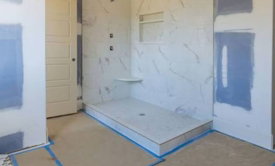
Bathroom and Wet Room Board Installation
Installing moisture-resistant and mold-resistant board in bathrooms, powder rooms. Wet areas subject to constant humidity.
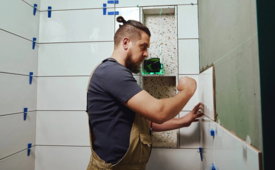
Cement Backer Board for Tiled Areas
Fitting cement or fiber-cement backer board behind showers, tub surrounds. Tiled walls where water contact is direct.
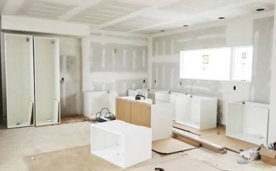
Kitchen and Laundry Wall Board
Boarding kitchens, laundries, and utility rooms where appliance moisture, steam, and splashing are everyday conditions.
Garage, Lanai, and Unconditioned Spaces
Installing suitable board in areas without climate control. Where humidity swings widely through the year.
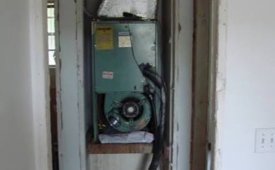
Air Handler and Utility Closet Board
Boarding air handler closets and service spaces where condensation. Raised humidity are a known risk.
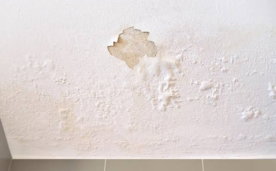
Damp-Damaged Board Replacement
Replacing board that has failed through sustained humidity, upgrading the specification so the same failure is less likely.
Getting the Specification and the Detailing Right
Choosing the product is the first decision and it should be made room by room. Moisture-resistant board handles raised humidity and incidental moisture. Suits laundries, powder rooms, and utility spaces. Mold-resistant board goes further by replacing the paper facing. Removes most of the food source for growth. It is the sensible choice in bathrooms. Any space that stays humid for long stretches. Neither belongs directly behind tile in a shower. Where cement backer board or a comparable substrate is the correct answer because that surface sees actual water rather than vapor. Specifying a premium board in the wrong location gives you false confidence. Does not prevent the failure you were worried about.
Detailing decides whether the specification delivers. The base of the wall should be held clear of the floor so board is not wicking moisture up from below, joints. Penetrations in wet areas need sealing. The transition between substrates has to be handled deliberately rather than butted together and hoped for. Ventilation is the factor people most often ignore. In this climate it matters enormously. A bathroom without working extraction will stay humid for hours after every shower. No board specification compensates for that indefinitely. We also want the space conditioned during finishing. Because high humidity slows joint compound. Joints that cure unevenly are more vulnerable later.
Humidity and Building Conditions in Mount Dora
The climate here puts sustained pressure on interior surfaces in ways that drier regions never see. High ambient humidity runs for much of the year. The difference between conditioned interiors. Unconditioned spaces creates condensation at the boundary between them. Air handler closets are a frequent trouble spot locally. Since they combine cold surfaces, restricted airflow. Condensate lines that block without warning. Bathrooms in older homes near the town center often have limited or aging extraction. Leaves moisture sitting in the room long after use. Board in those rooms tends to show its age at the base of the wall first.
Unconditioned spaces are the other recurring theme. Garages, enclosed lanais, workshops, and back-of-house areas in commercial buildingsswing between hot and humid without climate control. Standard board in those environments softens and loosens over years rather than failing suddenly. Since garage and lanai conversions are a popular way to add living space locally. Those spaces frequently get boarded without anyone considering whether the humidity conditions have actually changed. Storm season adds water intrusion through roofs and openings. Properties in low-lying locations with slower site drainage see moisture reaching the bottom of walls. All of it argues for specifying by room rather than by habit. We handle the same humidity problems in lakefront and riverfront homes inEustis, Tavares, and DeBary.
What Affects the Cost of Moisture-Resistant Installation
Material choice is the most direct factor. Moisture-resistant board costs more than standard, mold-resistant board more again. Cement backer board is heavier, slower to cut. More labor-intensive to install than either. Because the right specification varies by room. The cost difference across a project depends on how much of the total area genuinely needs an upgrade. A bathroom and laundry upgrade on a house is a modest addition. Specifying moisture-resistant board across every room would be a large one. In most properties it would not be money well spent.
Detailing and preparation account for the rest. Wet areas need sealing at joints and penetrations. Transitions between substrates take extra time. Holding the board clear of the floor requires care during installation. Where existing board is being replaced because of moisture, removal, disposal. Cavity inspection add to the scope. Any wet insulation has to come out. If ventilation or plumbing issues need resolving first. Those are separate trades. We will tell you before quoting. Room size, tile layout, and access all affect labor as usual. Request a quote and we will break the specification down room by room so you can see exactly where the upgrade is going.
How We Install Moisture and Mold-Resistant Drywall
Step 1: Room-by-Room Moisture Assessment
We look at each space and how it is actually used. Checking humidity exposure, ventilation. Any history of damp so the board specification matches real conditions rather than a general assumption.
Step 2: Product Specification and Written Scope
Your quote sets out which board goes in which room. Why, including where cement backer board is required behind tile. You can see exactly where the upgrade applies and what it costs.
Step 3: Cause and Ventilation Check
Where a space has an existing damp problem. We confirm whether the cause has been resolved. Flag inadequate extraction or plumbing issues that need another trade before the wall is closed.
Step 4: Removal, Cavity Inspection, and Drying
On replacement work, affected board and any wet insulation are removed, the cavity. Framing are checked for moisture. We confirm the space is dry before installing anything new.
Step 5: Framing Preparation and Vapor Considerations
Framing is checked and prepared. Backing added where needed, and vapor. Clearance details addressed so the base of the board is not left in contact with the floor.
Step 6: Board Installation by Area
Each board type is installed in its designated area with the correct fasteners and spacing. Transitions between substrates are set out deliberately rather than left as an awkward butt joint.
Step 7: Joint Sealing and Wet Area Detailing
Joints, corners, and penetrations in wet areas are sealed appropriately for the location. Areas receiving tile are left flat, sound. Correctly prepared for the tiling contractor.
Step 8: Finishing, Cleanup, and Handover
Non-tiled surfaces are finished to the agreed levelwith the space conditioned so compound cures properly, debris is removed. We review the completed rooms with you before closing out.
Moisture and Mold-Resistant Drywall FAQs in Mount Dora
Moisture-resistant board, often called green board, has a treated core. Facing that better withstand humidity and incidental moisture than standard drywall. Mold-resistant board goes a step further by replacing the paper facing with fiberglass or a treated non-organic surface. Removes most of what mold needs to establish. In practical terms, moisture-resistant suits laundries and utility rooms. Mold-resistant is the better choice for bathrooms and any consistently humid space. Neither one is waterproof.
No. Direct water contact needs cement backer board, fiber-cement board. A comparable tile substrate, not moisture-resistant drywall. Moisture-resistant products are built for humidity. Splashing, not for the sustained water exposure a shower enclosure sees behind tile. Installing them there is a common shortcut. It eventually fails, usually taking the tile with it. We specify backer board in the shower area. Moisture-resistant or mold-resistant board for the rest of the bathroom.
Generally no, and we will say so rather than upselling it. In a conditioned interior, standard board performs perfectly well in bedrooms, living areas. Hallways, and the upgrade would add cost without a practical benefit. The places worth specifying up are bathrooms. Laundries, kitchens, air handler closets. Unconditioned spaces such as garages and enclosed lanais. We go through the property room by room. Recommend the upgrade only where local conditions justify it.
It substantially reduces the risk but it does not eliminate it. Mold-resistant board removes the paper facing that growth normally feeds on. The board itself is a poor host. Mold can still grow on soap residue, dust, paint. Other organic material sitting on the surface if the room stays wet. Ventilation is what actually controls that. If a bathroom has no working extraction or the fan vents into an attic space. The board is helping with one part of the problem while the main cause continues.
It is worth considering, particularly if the space is being converted or used regularly. Unconditioned areas here swing between hot and humid across the year. Standard board in that environment softens over time, loosens around fasteners. Deteriorates faster than it would in an air-conditioned room. Moisture-resistant board handles those conditions better. Where a garage is being converted into conditioned living space, the calculation changes. We look at whether the space will be climate-controlled before recommending a specification.
Probably not on its own. Repeated failure in the same room usually points to a cause that the board is only reacting to. Most commonly inadequate ventilation, a slow plumbing leak. Water getting behind tile through failed grout or sealant. Upgrading the specification while leaving the source in place buys time rather than solving the problem. We inspect the area, tell you what we think is driving it. Recommend which trade to involve. Once the cause is dealt with. The right board in the right place will last.
Get a Clear Quote on Your Project
The next step is a straight conversation about the space itself. Tell us what you are dealing with. Send through photos or plans if you have them. We will let you know what the work involves. How long it should take. What it will cost. There is no obligation attached to an estimate. We would rather spend the time getting the scope right than hand you a number that changes halfway through the job.
Mount Dora Drywall Prosworks with homeowners, builders, property managers. Business owners across Mount Dora and the surrounding Lake County area. Request a quote or check availability. You will get a clear answer on timing rather than a vague callback promise. If your schedule is tight or you are coordinating around other trades, tell us upfront. We will plan the work around it.